Learn how Cargo Dynamic provide the logistics solutions for your project.
Whether oversized cargo, heavy-lift operations, or multimodal transport, we ensure a seamless and cost-effective experience.


This steel dispute does not mean the India-UK FTA is collapsing. Both countries still have strong incentives to implement the agreement. The deal is too broad, too strategically useful, and too politically significant to abandon over a single sector.
But steel has exposed a weakness in modern trade deals. Governments can sign ambitious agreements in one room while introducing protective industrial measures in another. When those policies collide, exporters are left asking which promise carries more weight.
The likely compromise may involve an India-specific quota, a transitional arrangement, a carve-out for certain steel categories, or another bespoke mechanism that lets both governments preserve their core positions.
That would be the pragmatic route. The UK can maintain protection for its domestic industry, while India can argue that its steel exporters have not been locked out of the market that the FTA was supposed to open.
The India-UK steel dispute reflects a broader shift in global commerce. Free trade is no longer just about lowering tariffs. It is increasingly conditional on security, resilience, climate policy, domestic jobs and geopolitical trust.
Steel is the perfect example. It is simultaneously a commodity, a strategic asset, a climate challenge and a political symbol. That makes it uniquely difficult to handle inside a conventional trade agreement.
For India, the issue is also forward-looking. The country aims to significantly expand its steel capacity, a move that will require reliable export markets as production grows. If major developed markets tighten access to steel, India’s export strategy becomes more complicated.
For the UK, the calculation is equally delicate. It wants to be seen as an open, post-Brexit trading nation. But it also cannot ignore domestic steelworkers, industrial communities and national manufacturing resilience.
For businesses, the message is clear: trade agreements are only one part of the equation.
Tariff schedules, quota rules, safeguard measures, customs procedures and route economics can all alter the landed cost of steel. A shipment that looks commercially viable at the contract stage can become problematic if quota access tightens, documentation is incomplete, port capacity shifts or alternative routing becomes necessary.
Importers and exporters should review their steel supply chains before the new UK regime takes effect. That means checking commodity classifications, understanding quota exposure, confirming Incoterms, assessing freight options and building contingency routes where possible.
In a volatile market, logistics is no longer an afterthought. It is a strategic safeguard.
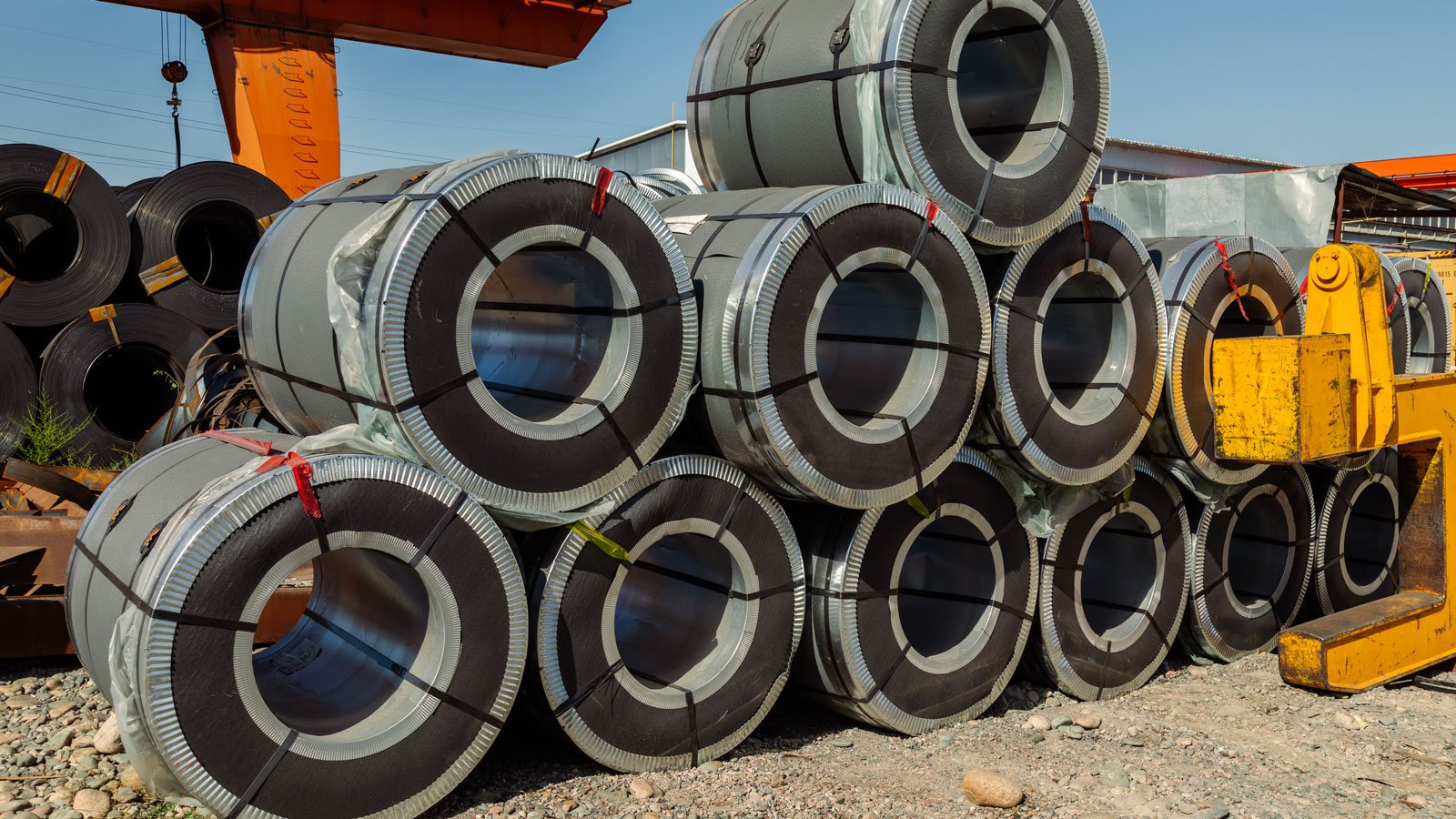
The India-UK FTA was designed to signal commercial confidence. But specialist steel coil logistics now sits at the centre of a harder industrial reality.
The dispute is not merely about quotas and tariffs. It is about whether modern trade agreements can survive contact with domestic industrial policy. It is about how countries balance openness with strategic self-protection. It is also about whether a green industrial transition can be achieved without triggering fresh trade conflicts.
The steel wall may not stop the India-UK FTA altogether. But it has made one thing unmistakably clear: in today’s global economy, free trade is only free until a strategic industry feels exposed.
For companies moving steel across borders, the answer lies in preparation. Understand the rules. Model the costs. Secure the right freight partner. And treat logistics as a commercial discipline, not just a transport function.


Whether oversized cargo, heavy-lift operations, or multimodal transport, we ensure a seamless and cost-effective experience.

Cargo Dynamic Ltd
Earl Business Centre
Earl Mill, Dowry St
Oldham, OL8 2PF
Tel: 0161 399 5708
email: info@cargodynamic.co.uk