Learn how Cargo Dynamic provide the logistics solutions for your project.
Whether oversized cargo, heavy-lift operations, or multimodal transport, we ensure a seamless and cost-effective experience.

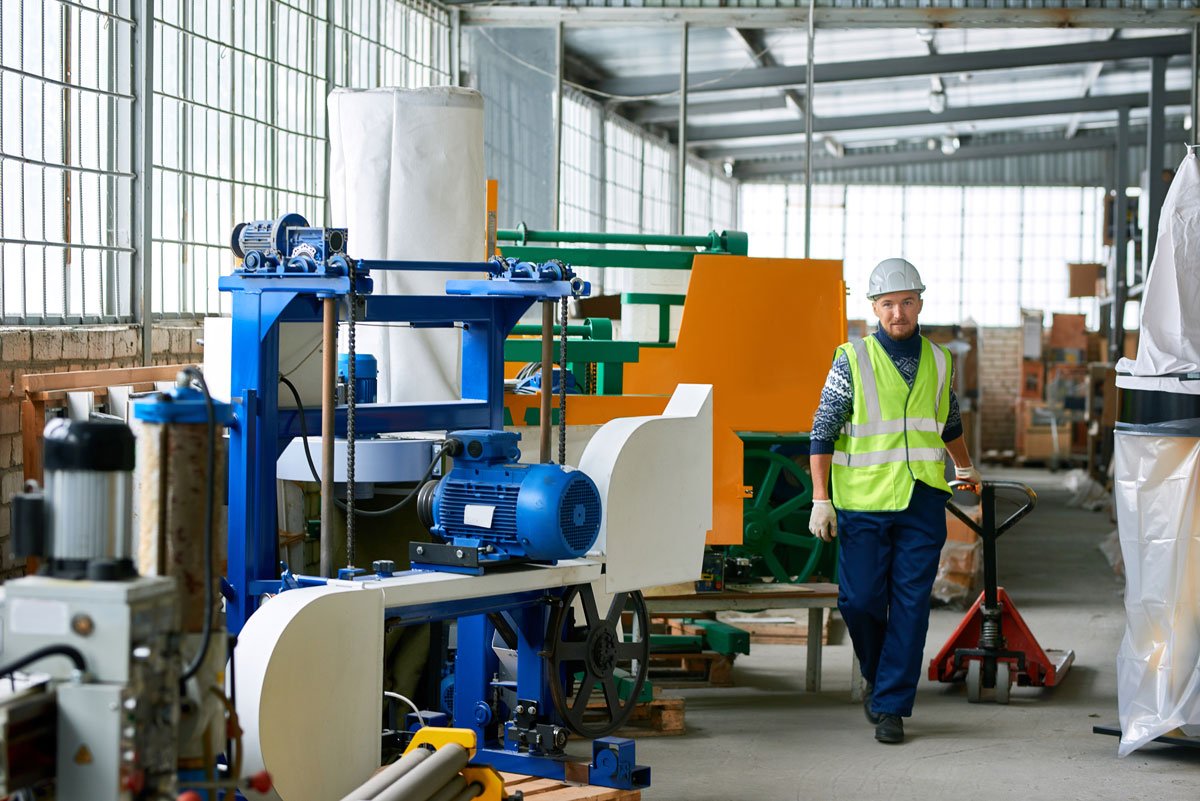
Relocating a manufacturing facility is one of the most complex undertakings any business can face. It's far more than simply transporting equipment from one site to another. It’s a high-stakes transformation that impacts operational performance, workforce dynamics, stakeholder confidence, and long-term profitability.
This is a logistical ballet requiring precision, discipline, and alignment. And at the centre of it all? Your internal team.
Over two decades in the logistics and industrial relocation space have proven one thing beyond doubt: the success or failure of a plant move hinges on the readiness, clarity, and cohesion of your internal structure. A smooth transition isn’t the result of good luck. It results from strategic preparation, expert coordination, and empowered leadership.
Every successful plant relocation starts with one thing: strategic intent. When executed with discipline and foresight, a facility move is an opportunity to reconfigure workflows, streamline operations, and embed future-ready infrastructure. But without careful preparation, it quickly becomes a chaotic, high-cost gamble.
Preparation is your insurance policy. It’s how you protect uptime, preserve customer relationships, and avoid reactive fire-fighting. It ensures that every stakeholder, from the boardroom to the shop floor, is aligned, informed, and focused on delivery.
What often goes wrong? In many cases, businesses underestimate the complexity of the move. There’s an assumption that external logistics providers will manage the entire process in isolation. In truth, your external team is only as strong as the internal alignment supporting it. That’s why building robust internal processes and leadership is non-negotiable.
You need complete visibility before a single machine is powered down or a single crate is packed. The first phase of any move is definition, clarifying exactly what’s moving, where it’s going, and how each phase will affect operations.
Start with an exhaustive inventory and asset mapping. Every equipment, tooling, consumable, IT asset, and production input must be catalogued and prioritised. This information underpins everything from transport planning and insurance coverage to layout design at the destination site.
Next, develop a realistic relocation timeline. Don’t build around ideal scenarios; build around real-world constraints. Factor in supplier lead times, shutdown requirements, training windows, and testing periods. Create Gantt charts, assign dependencies, and identify critical path activities.
Equally critical is stakeholder mapping. A plant relocation touches every department. You need to know who holds decision-making authority, manages compliance, liaises with customers, and drives daily operations. Without this clarity, bottlenecks will be inevitable.
With the plan defined, it's time to build your internal relocation task force. This cross-functional team must include leaders from operations, engineering, health and safety, HR, procurement, IT, and facilities. Each department brings its own perspective, risks, and requirements to the table.
Assign responsibilities with surgical precision, ambiguous roles lead to duplicated efforts, missed handovers, and avoidable friction. Use a RACI matrix to establish who is Responsible, Accountable, Consulted, and Informed for each major action point.
Your internal team must operate in lockstep with your chosen Plant Relocation Services provider. They aren’t just vendors, they’re strategic partners. Integration is key. Weekly briefings, real-time updates, and centralised communication channels ensure that issues are surfaced quickly and resolved without delay.
Relocation introduces uncertainty. Uncertainty breeds resistance. The only way to overcome this is through relentless, transparent communication.
Use townhall sessions, department briefings, and dedicated intranet hubs to disseminate information. Reinforce the message often, repetition drives retention.
Conduct operational workshops and walkthroughs. Use simulations or digital twin models to familiarise teams. Don’t overlook soft impacts. For many employees, a change in site location may affect commuting times, shift patterns, or even their long-term employment status. Be human. Listen. Address concerns with clarity and empathy.
Many organisations delay engaging external logistics experts until key decisions have already been made. This is a costly misstep.
Your relocation partner should be involved from the strategic planning phase. They can help pressure test your timelines, recommend alternative handling methods, and optimise transport strategies.
Establish shared planning tools, dashboards, stand-ups, and issue trackers. Ensure all activities integrate into your SOPs. You want the new facility to feel like a continuation, not a disruption.
Even the best plans will face turbulence. Your strategy must be agile enough to absorb shocks without compromising operations.
Consider a phased transition. This ensures a continuous workflow and protects your order commitments. Keep your customer base informed. Transparency preserves trust through disruption.
Once the move is complete, conduct comprehensive testing. Ensure every machine is calibrated, every system integrates with your IT infrastructure, and every department operates at full capacity.
Conduct post-move audits. Compare pre- and post-move performance across key metrics. Most importantly, listen to your team. Their feedback is a rich source of insight into what worked, what didn’t, and what should be done differently.
Relocating a plant is a strategic turning point. When internal teams are prepared, aligned, and supported by expert partners, a relocation doesn’t just preserve performance, it elevates it.
At Cargo Dynamic, we partner with you to manage your transition from day one to completion. With tailored strategies, hands-on support, and risk mitigation, we ensure your move becomes a launchpad, not a setback.
If you're preparing for a facility transition, let’s talk.



Whether oversized cargo, heavy-lift operations, or multimodal transport, we ensure a seamless and cost-effective experience.

Cargo Dynamic Ltd
Earl Business Centre
Earl Mill, Dowry St
Oldham, OL8 2PF
Tel: 0161 399 5708
email: info@cargodynamic.co.uk