From Transactions to Strategic Collaboration
For years, logistics was treated as a commodity, outsourced tasks assessed on unit cost and separated from project planning. The scale and complexity of today’s programmes, power plants, renewable energy farms, and cross-border infrastructure, render that model inadequate.
Transactional model: Client issues requirements → forwarder executes → engineer signs off.
Collaborative model: All three engage early, align goals, share risks, and adapt together.
This shift is more than efficient, it is essential. Large projects frequently suffer delays or budget overruns when functions operate in silos. Integrated collaboration addresses this weak point by embedding logistics and engineering into the earliest concept stages, not merely the final mile.
The Three Essential Partners
The Client provides strategic vision, budget, timeline, and end goals. In partnership models, clients also participate in early problem-solving rather than expecting downstream teams to simply “make it happen”.
The Freight Forwarder is the conductor of a complex orchestra, integrating modes of transport, negotiating access, managing compliance, and anticipating disruption. Their remit extends from corridor design to contingency planning.
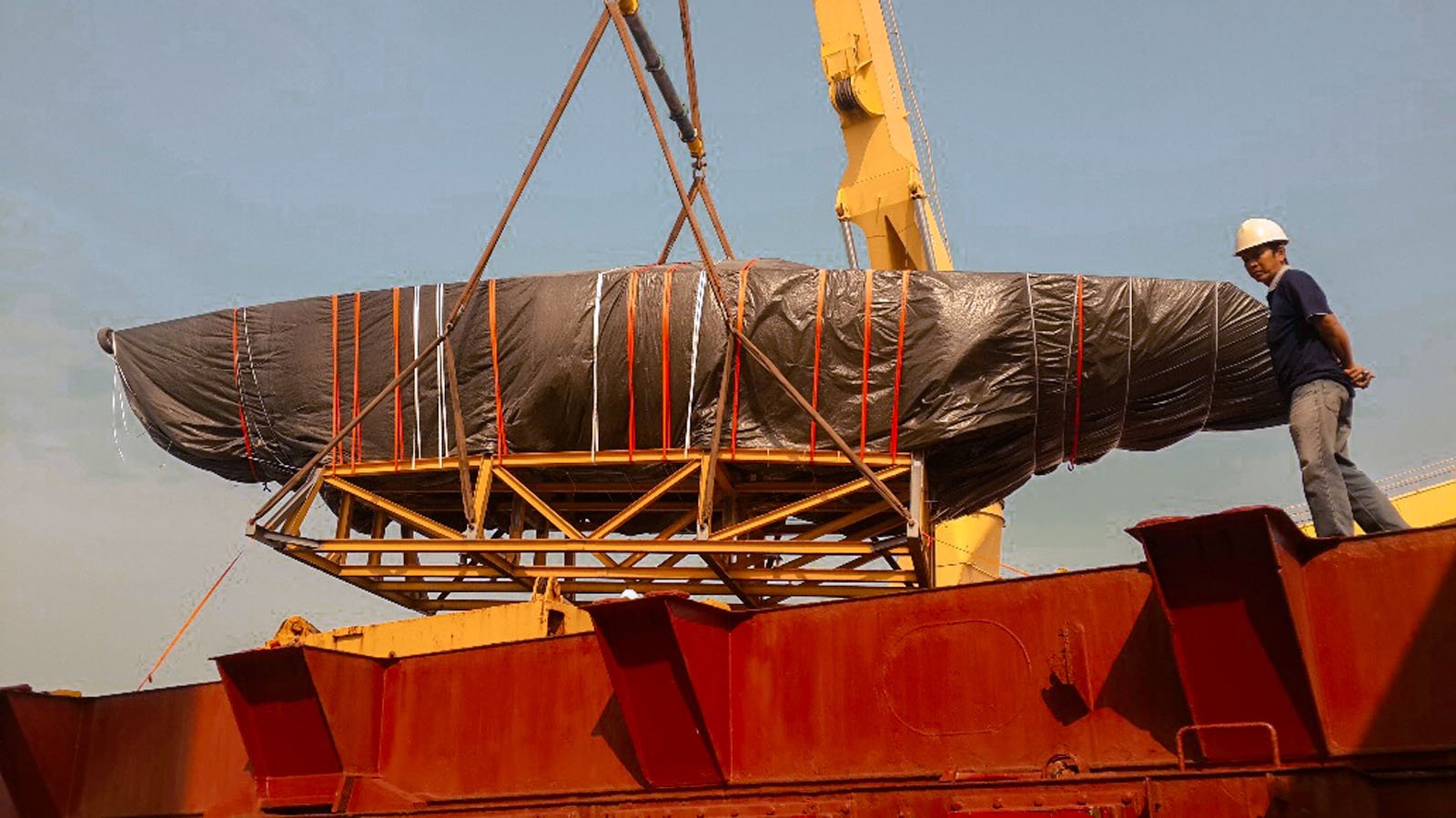
The Engineering Team validates that what looks feasible on paper can be executed safely in the field, from load distribution on bridges to crane capacities, lifting points, and route geometry. Their role is to de-risk and optimise the technical journey of every component.
Together, these perspectives create a triangle of success: vision, movement, and technical feasibility.
Communication Is the Glue
Even robust strategies can unravel with miscommunication. Constant, transparent communication binds partnerships and accelerates decision-making.
- Real-time visibility: Shared tracking dashboards let every stakeholder see the same truth.
- Structured check-ins: Weekly or milestone reviews keep assumptions in check.
- Shared documentation: Cloud repositories ensure permits, drawings, and method statements are current and accessible.
In logistics, where a delayed permit or misread drawing can cost millions, clarity is not optional; it is mission-critical.
Shared Goals: The Bedrock of Partnership
When partners measure success differently, friction follows. Clients emphasise budget certainty; engineers prioritise safety; forwarders focus on schedule adherence. Partnership harmonises these priorities.
- Unified KPIs: Balanced scorecards blending cost, safety, schedule, and sustainability.
- Shared risk models: Contracting that distributes accountability and reward fairly.
- Common purpose: A clear definition of project success that transcends departmental metrics.
With alignment, decisions speed up and trade-offs become deliberate rather than accidental.
Partnership in Action: A Wind Farm Corridor
An onshore wind project required transporting 70-metre blades from factory to remote sites across multiple borders. Early collaboration flagged road curvature and bridge restrictions on the proposed corridor. Engineers and forwarders co-designed a multimodal solution, ocean leg, river barge, and specialised trailers, sequenced around curfews and seasonal water levels. The client accessed live dashboards for progress and exception alerts.
The outcome: delivery ahead of schedule, zero re-routes, and avoidance of penalties tied to grid-connection dates. The value of partnership was measurable in both time and cost avoided.
Overcoming Barriers to True Partnership
Collaboration is intentional work. Common challenges and practical remedies include:
- Misaligned expectations → Joint kick-off alignment: Facilitate workshops to define success, decision rights, and escalation paths.
- Cultural differences → Cross-cultural fluency: Train teams on communication styles, holidays, and regulatory norms across jurisdictions.
- Organisational silos → Cross-functional squads: Embed engineers with logistics planners; include compliance and HSE from day one.
Leadership is pivotal, rewarding collaborative behaviours ensures they cascade through the programme.
Technology as a Catalyst, Not a Crutch
Digital tools amplify human partnership by enhancing visibility and speed without replacing judgement.
- Predictive analytics: Anticipate port congestion, weather windows, and capacity constraints.
- AI-enabled route optimisation: Balance cost, time, safety, and emissions, testing alternatives in minutes.
- Digital twins: Virtually model lifts, manoeuvres, and site interfaces before steel moves.
- Smart contracting: Tamper-evident records and automated milestones improve trust and throughput.
The most effective partnerships combine these capabilities with disciplined governance and clear accountabilities.
The Human Factor: Trust Above All
Technology scales collaboration; people sustain it. Trust, respect, and empathy determine whether partnerships thrive under pressure.
- Consistency: Delivering on promises, especially the small ones, builds credibility.
- Empathy: Understanding constraints on each side (budget cycles, safety margins, regulatory lead times) reduces friction.
- Co-location and embedding: Placing logistics specialists within engineering teams, and vice versa, accelerates problem-solving.
Personal relationships and shared learning create resilience that contracts alone cannot provide.
What’s Next: The Future of Partnerships in Project Logistics
Several forces will shape the next era of collaboration:
- Sustainability and ESG: Partners will align on lower-carbon corridors, modal shifts, and emissions reporting as standard practice.
- Geopolitical volatility: Rapid re-routing and contingency access will demand trusted, pre-negotiated partnerships.
- Nearshoring and diversification: Regionalised supply chains will create new corridors and require local expertise integrated with global reach.
- Digital-first operations: Data interoperability and common platforms will become table stakes for collaboration.
The leaders will treat partnerships not merely as contracts to be managed, but as ecosystems to be nurtured.
From Service Providers to Strategic Allies
In project logistics, success is about moving forward together. When clients, freight forwarders, and engineering teams align on goals, communicate continuously, and invest in relationships, projects shift from high-risk ventures to coordinated achievements.
The real power of partnership lies in the move from transaction to integration, where every stakeholder becomes a strategic ally, and where foresight, transparency, and shared purpose drive outcomes.
For organisations seeking confidence in complex deliveries, this partnership-first philosophy is not a tactic; it is a competitive advantage. It is also the quiet operating principle behind industry leaders such as Cargo Dynamic, where collaboration is designed into every project from first conversation to final hand-off.