Learn how Cargo Dynamic provide the logistics solutions for your project.
Whether oversized cargo, heavy-lift operations, or multimodal transport, we ensure a seamless and cost-effective experience.


For UK businesses importing goods from Asia, the route a container takes to reach the UK can have a significant impact on cost, transit time and supply chain reliability.
After an extended period of disruption in the Red Sea, there are signs that shipping traffic through the Suez Canal is beginning to recover. However, the situation remains fluid, and businesses should not assume that international shipping schedules have returned to normal.
Carriers are continuing to assess security conditions, vessel capacity, port congestion, fuel costs and transit times when deciding how individual services should operate. For importers, this means careful planning remains essential.
In this Cargo Dynamic industry update, we explain what is happening in the Red Sea and Suez Canal, how the situation can affect freight rates and transit times, and the practical steps UK businesses can take to protect their supply chains.
The Red Sea and Suez Canal form one of the world's most important shipping corridors, connecting major manufacturing centres across Asia with Europe and the UK.
For businesses importing from countries such as China, Vietnam and India, travelling through the Suez Canal provides a significantly shorter route to Europe than sailing around the southern tip of Africa.
When carriers avoid the Red Sea, vessels typically divert around the Cape of Good Hope. The longer journey can increase sailing times and fuel consumption while keeping vessels and containers occupied for longer.
Longer voyages can effectively remove capacity from the global container network because ships take more time to complete each rotation. Containers can also take longer to return to the locations where they are needed.
The result can be tighter capacity, equipment shortages, changing schedules and pressure on freight rates.
There are encouraging signs that traffic is recovering. Recent industry data has shown Suez Canal transits reaching their highest levels for more than two years. However, overall traffic remains substantially below the levels seen before the Red Sea crisis.
Some shipping lines have also begun progressively restoring selected services through the region.
This is positive news for international trade, but it does not mean every service will immediately return to its previous route. Carriers continue to assess security and operational conditions on a service-by-service basis.
Asia-to-Europe container rates have eased from some of their recent highs, but the market remains sensitive to changes in capacity, congestion and geopolitical developments.
Several factors can influence the price UK importers ultimately pay, including:
Rather than relying on a previous shipment as an indication of what the next container should cost, businesses should review current market conditions when planning future orders.
Red Sea disruption is only one challenge currently affecting international supply chains. Congestion and severe weather at major Asian ports can also cause delays.
When a vessel arrives late at one port, the disruption can continue throughout the rest of its schedule. A delayed vessel may miss its allocated berth at the next port, containers can be moved to later sailings and equipment may not be available where expected.
That is why disruption at a port thousands of miles away can ultimately affect a delivery to a warehouse or factory in Manchester, Birmingham, Liverpool or elsewhere in the UK.
A carrier's estimated transit time should be treated as part of the planning process rather than a guaranteed delivery date. Businesses should consider what would happen if an important shipment arrived one or two weeks later than expected.
For particularly important cargo, businesses can also consider using more than one mode of transport. A small quantity of urgent stock could be transported by air freight while the remainder travels more economically by sea freight.
Avoid waiting until the final available sailing. Booking earlier gives you more options if vessel space becomes restricted, schedules change or a shipment needs to be rerouted.
Identify the products, components or raw materials that could cause serious problems if they arrive late and give those shipments additional contingency.
Where commercially practical, holding additional stock of critical products can provide valuable protection against unexpected shipping delays.
Sea freight will generally remain the most economical solution for larger international shipments. However, air freight or a combination of transport modes may be appropriate when delivery time is particularly important.
The key is to compare the total commercial cost of a delay, rather than freight rates alone.
Early conversations provide more options. A freight forwarder can review available services, routing, expected transit times and costs before the goods need to move.
Price will always be an important consideration when choosing a freight service, but during periods of disruption, the lowest quotation can sometimes come with compromises.
Before selecting a service, consider:
The objective should be to find the most appropriate freight solution for the shipment, rather than simply the lowest headline rate.
At Cargo Dynamic, we believe good freight forwarding starts with understanding the customer's business.
By understanding where goods are coming from, when they genuinely need to arrive and how critical each shipment is, our team can help customers select a freight solution that balances cost, speed and reliability.
Our services include:
The recovery in Suez Canal traffic is an encouraging development, but international shipping remains exposed to geopolitical events, congestion, weather disruption and changing carrier capacity.
A more effective approach than trying to predict the market is to build flexibility into your supply chain. Book important shipments early, understand which goods are business-critical, review routing as well as price and maintain regular communication with your logistics provider.

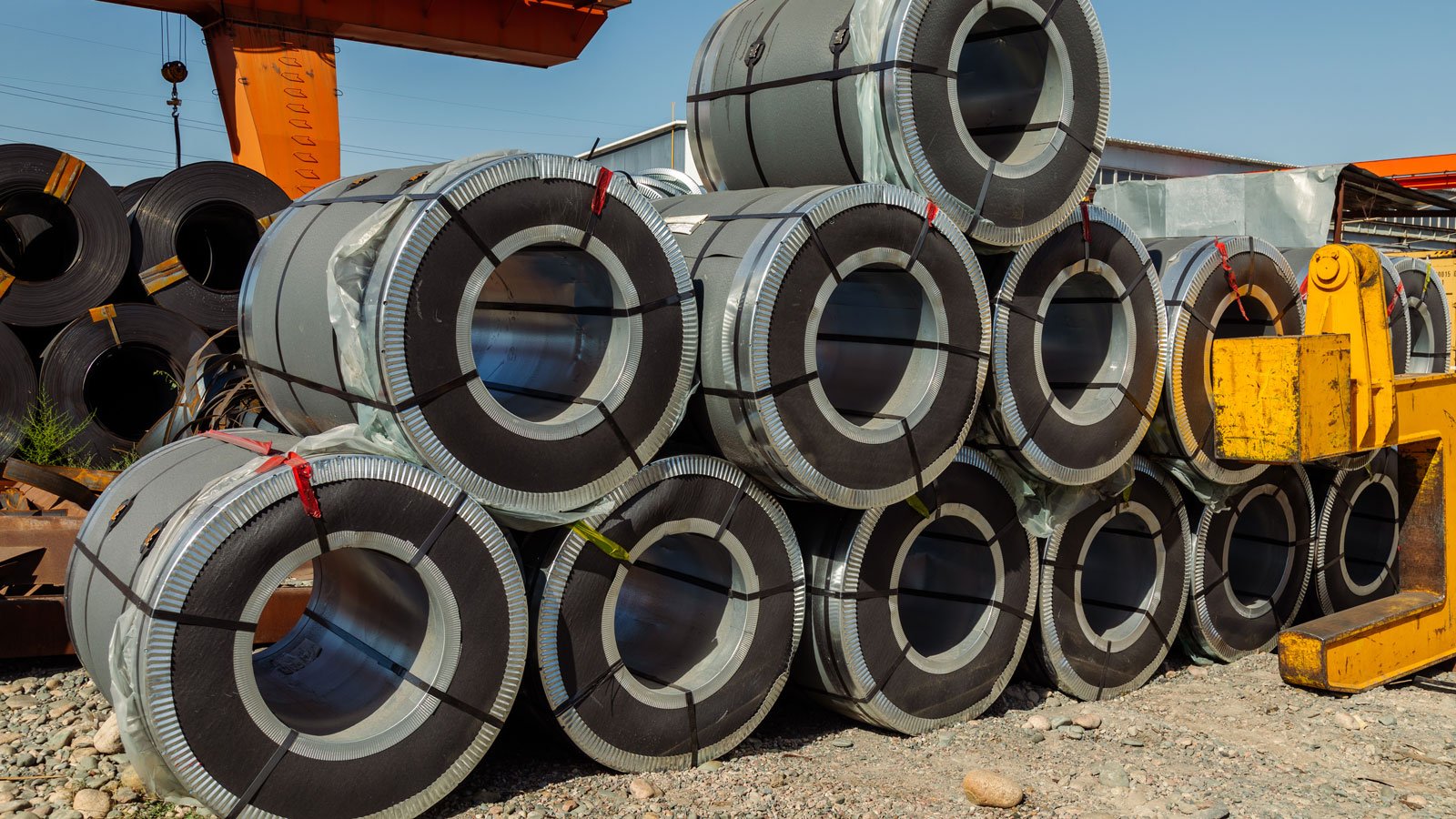

Whether oversized cargo, heavy-lift operations, or multimodal transport, we ensure a seamless and cost-effective experience.

Cargo Dynamic Ltd
Earl Business Centre
Earl Mill, Dowry St
Oldham, OL8 2PF
Tel: 0161 399 5708
email: info@cargodynamic.co.uk